When Life Becomes the Ministry
Last week, I stepped away from the microphone.
There was no dramatic announcement. No production issue. No scheduling conflict.
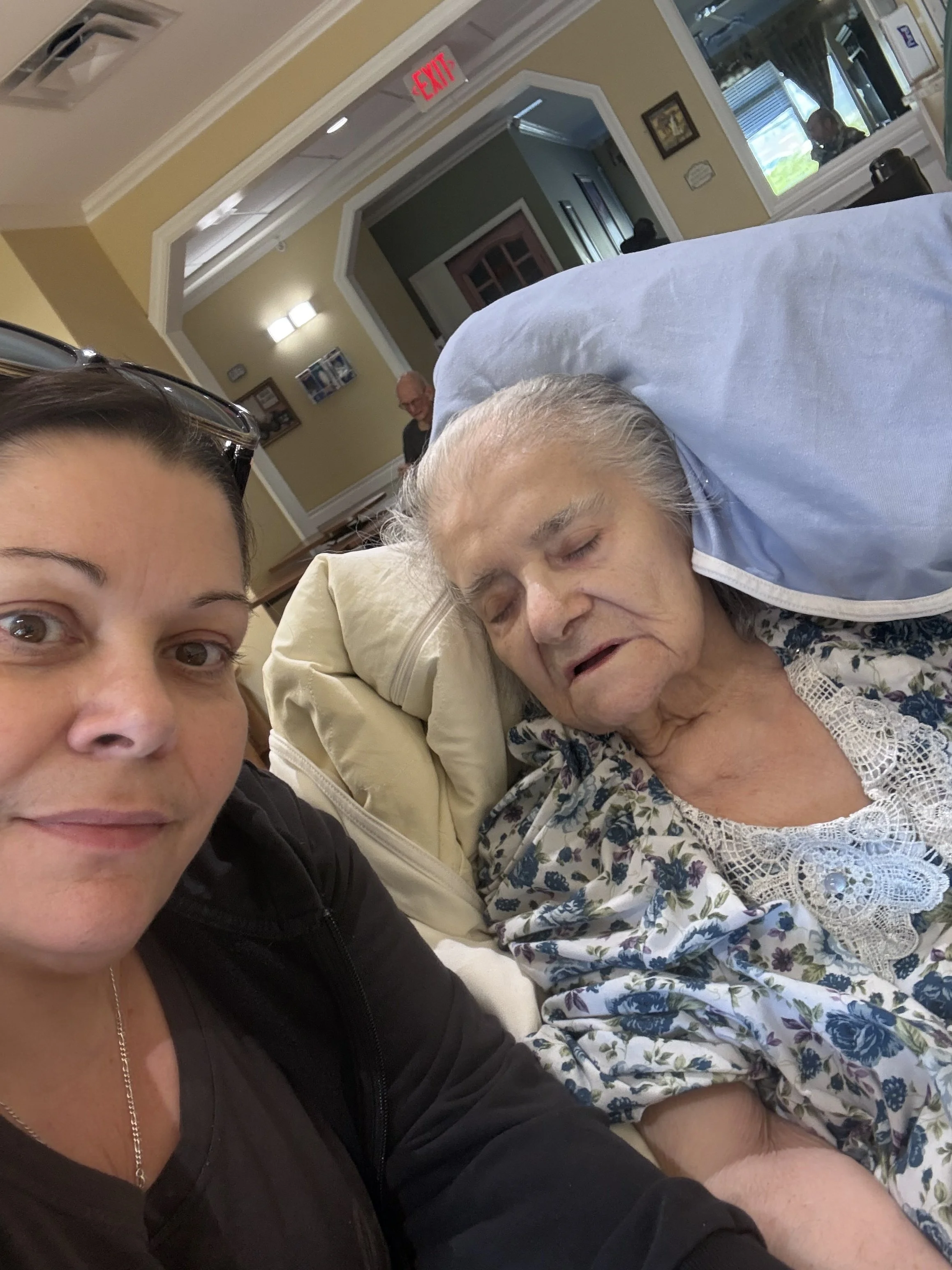
I was simply where I needed to be — beside my family, caring for my elderly parents as we walk through one of the hardest seasons of life.
In the pro-life movement, we often speak about the dignity of life at its beginning. We defend the unborn. We advocate for mothers. We fight for those who have no voice.
But being truly pro-life also means standing beside the vulnerable at the end of life.
And sometimes, that battle is not fought on a stage, in front of a camera, or behind a microphone.
Sometimes it is fought quietly in hospital rooms, care homes, and sleepless nights.
Over the past while, my family has been walking through the difficult reality of dementia, aging, decline, and end-of-life care. Anyone who has experienced this with someone they love knows there’s a grief that comes with it that is difficult to explain unless you’ve lived it yourself. You slowly watch pieces of someone disappear while they are still physically present. Some days are beautiful and filled with moments that feel like gifts. Other days are heavy and emotionally draining in ways that are hard to describe. There are moments where you hear a familiar laugh or see a glimpse of the person you’ve always known, and then moments later you are reminded how fragile life really is.
Last week was one of those weeks where family needed me more than ministry did. I found myself sitting quietly beside my mom, looking out the window of her room at the orchards and mountains she has loved for so many years, thinking about how quickly life passes. In those quiet moments, so many of the things we spend our time worrying about suddenly feel small. The endless noise online, the debates, the schedules, the pressure to constantly produce content — all of it fades into the background when you are simply sitting beside someone you love who is suffering and declining before your eyes.
And honestly, this season has made me reflect much more deeply on what it really means to be pro-life.
Because a culture of life does not only defend the unborn. It also defends the elderly, the disabled, the sick, the vulnerable, and those society increasingly sees as burdens once they are no longer independent or productive. We live in a culture that speaks constantly about “quality of life,” autonomy, and productivity, and I think many people quietly absorb the message that human dignity somehow decreases when suffering increases. But walking this road with my parents has reminded me that love is not rooted in usefulness. Human dignity is not dependent on memory, independence, or ability. Every human life still carries value, even in weakness, confusion, and decline.
What I have learned during this season is that sometimes love is not dramatic or visible. Sometimes it is simply remaining present. Staying through the repeated conversations. Staying through the exhaustion. Staying when someone asks the same question ten times in an hour. Staying when confusion turns into frustration. Staying when your own heart is breaking because you know things are changing and there is nothing you can do to stop it. That quiet presence matters more than we realize. In many ways, I think this is one of the deepest forms of pro-life witness there is.
The battle against the culture of death is not only happening in abortion clinics, political debates, or public demonstrations. It is also happening quietly in hospital rooms, nursing homes, and family living rooms. It is happening in the way we speak about the elderly, the suffering, and the dying. It is happening in whether we accompany people with love and compassion or begin viewing them as disposable once life becomes difficult. More and more, our culture presents suffering as something meaningless and presents death as the solution. But true compassion does not eliminate the sufferer. True compassion stays beside them.
I know there are many people reading this who are carrying similar burdens right now. Caregivers who are exhausted. Adult children trying to navigate impossible decisions. Families grieving someone who is still physically present. People quietly carrying emotional and spiritual exhaustion while trying to hold everything together. If that is you, please know you are not alone. I understand this differently now than I once did — not from a distance, but from inside it.
Please continue praying for my parents, especially my mother, as we walk through this season together. And thank you to everyone who reached out, prayed, and showed understanding during my absence. It meant more than you know.
Sometimes the most important pro-life witness we give is not through a speech, a podcast, or a public event.
Sometimes it is simply refusing to leave someone alone in their suffering.